
Lemongrass tea is a light, citrusy herbal infusion made by simmering fresh lemongrass stalks in water. This 15-minute version keeps the flavor clean and simple, with optional honey or lemon added only after straining. Serve it warm, or chill it for an iced herbal tea.
This page focuses on how to make a good cup, not on promising a health result. Lemongrass has a long history of culinary and traditional use, but this lemongrass tea recipe is not presented as a detox, weight-loss treatment, sleep aid, or substitute for medical care.
What Fresh Lemongrass Tea Tastes Like
Fresh lemongrass gives the water a clean citrus aroma without the sharp acidity of lemon juice. The flavor is grassy, lightly floral, and more delicate than it smells when raw. A well-balanced cup should be fragrant without tasting woody or harsh.
Optional honey softens the herbal edge, while fresh lemon juice makes the cup brighter and more tart. Neither is required. Taste the strained tea first so the lemongrass remains the main flavor.
Choosing and Preparing Fresh Lemongrass
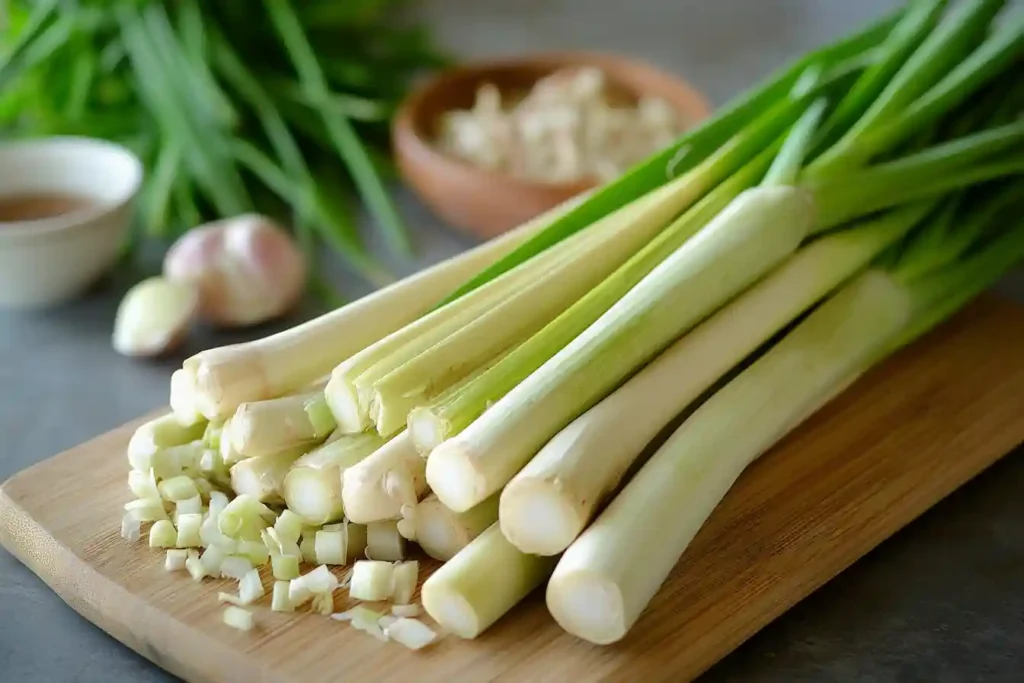
Choose firm stalks that smell distinctly citrusy when cut. Dry outer layers can be removed before brewing. Lightly bruising the stalks before cutting helps expose more aromatic surface to the hot water, which is useful when you want a strong fragrance without simply simmering the tea longer.
Fresh and dried lemongrass do not behave exactly the same way. Dried products vary in cut size and strength, so this recipe does not claim a universal 1:1 replacement. If you use dried lemongrass, follow the product guidance and adjust future batches to taste.
You may also see this drink written as lemon grass tea. If you are learning how to make lemongrass tea from fresh stalks, the key variables are stalk freshness, bruising, and brew strength rather than extra sweetener or a longer simmer.
How to Control the Strength
If the tea smells faint after brewing, the most useful change is usually better preparation of the stalks rather than piling on sweetener or lemon. Bruising exposes more of the aromatic plant surface. On a future batch, you can also adjust the amount of lemongrass rather than extending the simmer indefinitely.
If the cup becomes too grassy or woody, dilute it with a little hot water. For iced tea, cool the strained infusion before adding ice so the drink does not begin overly diluted.
Troubleshooting Lemongrass Tea
The tea has almost no aroma
The stalks may not have been bruised enough, or they may have been old and dry. Fresh lemongrass should release a clear citrus scent when cut. Use fresher stalks and bruise them before brewing.
The flavor is too grassy or strong
Dilute the finished cup with hot water. On the next batch, avoid extending the simmer simply to deepen the color; aroma and balance matter more than making the infusion darker.
The iced tea tastes watery
Cool the strained tea before serving it over ice. Pouring very hot tea directly over a large amount of ice can dilute its delicate lemongrass flavor quickly.
Fresh Lemongrass Tea

Equipment
- Fine mesh strainer
Ingredients
- 2 fresh lemongrass stalks dry outer layers removed, lightly bruised, cut into 2-inch pieces
- 2 cups water
- 1 teaspoon honey optional, to taste
- 1 teaspoon fresh lemon juice optional, to taste
Instructions
- Rinse the lemongrass stalks. Remove any dry outer layers, lightly bruise the stalks with the flat side of a knife, then cut them into roughly 2-inch pieces.
- Bring the water to a boil in a small saucepan.
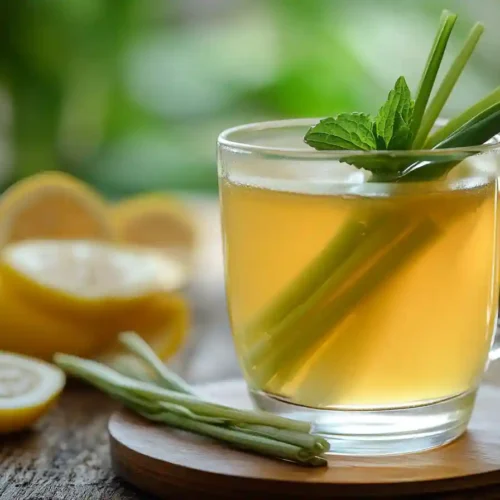
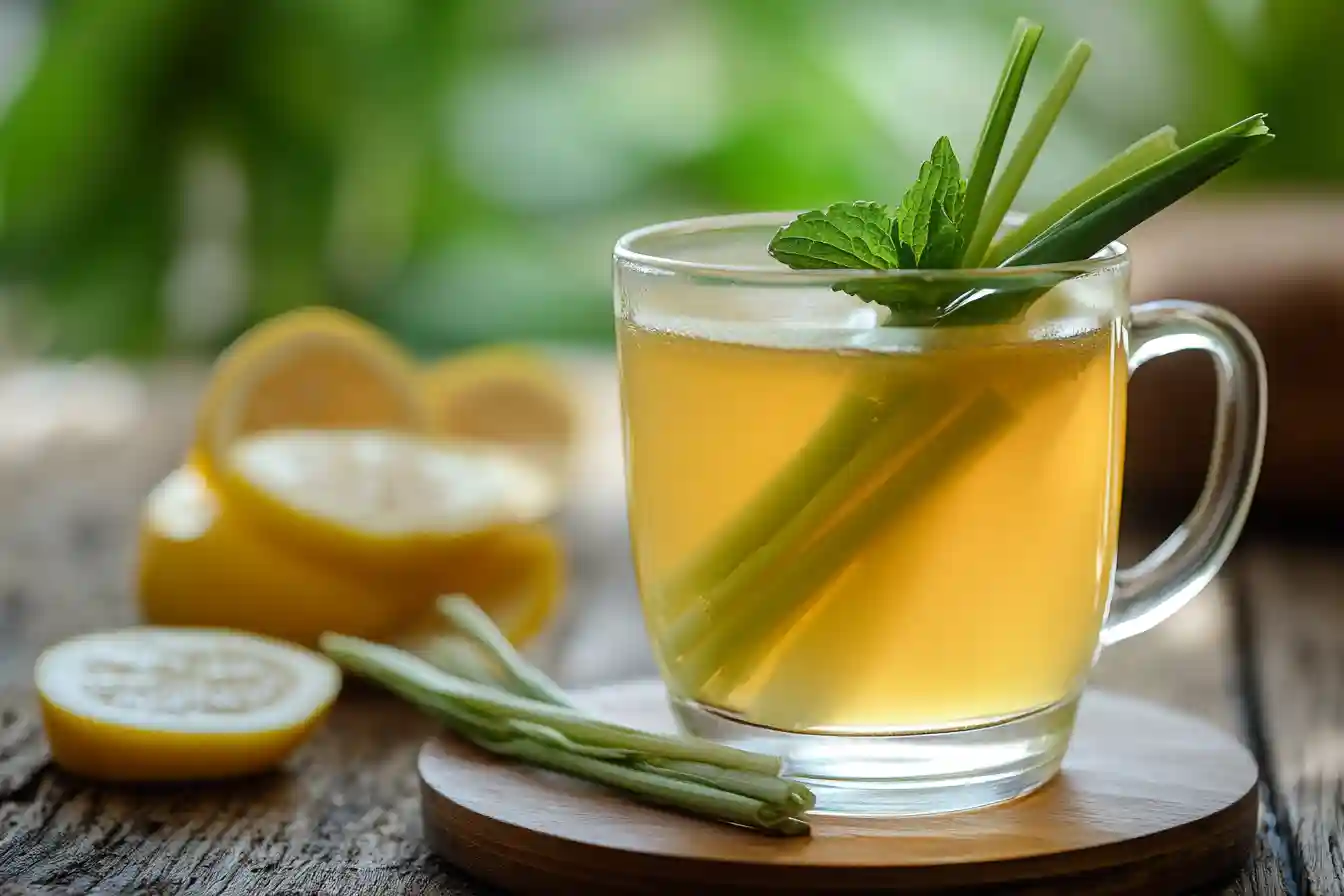
- Add the prepared lemongrass, reduce the heat to a gentle simmer, and simmer for 10 minutes, until the water is pale straw-colored and smells distinctly citrusy.
- Remove the saucepan from the heat and pour the tea through a fine-mesh strainer.
- Taste the tea first, then add honey and/or fresh lemon juice if desired. Serve warm, or cool before pouring over ice.
Notes
Nutrition
Hot or Iced: Two Ways to Serve It
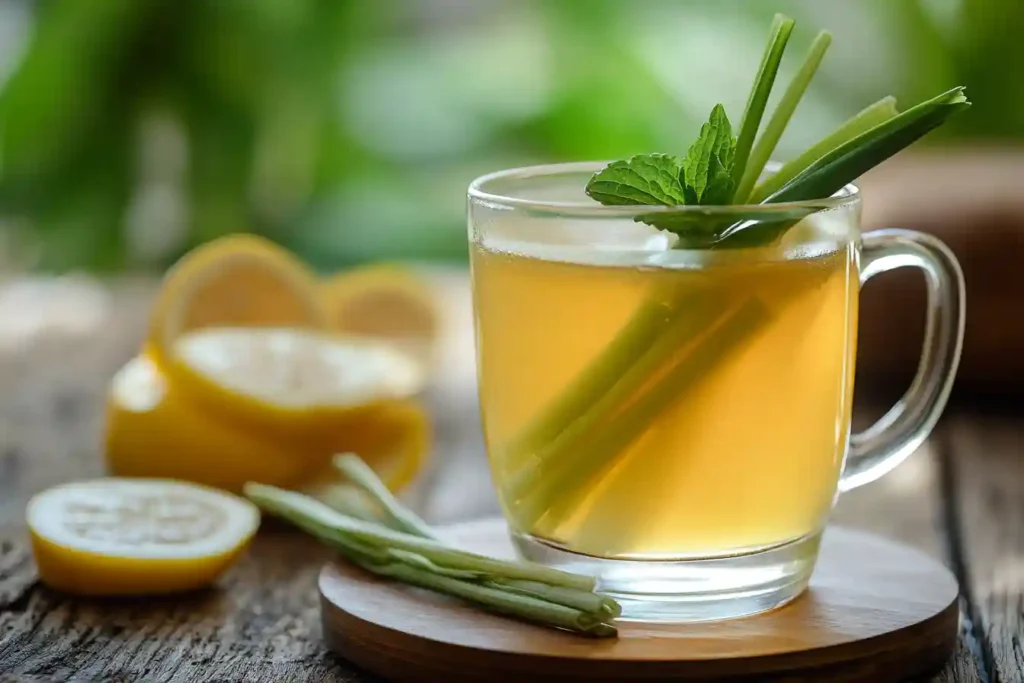
For a warm cup, serve the tea soon after straining and adjust sweetness or acidity only after tasting. For iced lemongrass tea, let the strained infusion cool first, then chill it and pour it over ice. A thin lemon slice can add aroma, but it is a serving option rather than a required ingredient.
What the Evidence Does — and Does Not — Show
Lemongrass is often marketed for relaxation, detoxification, digestion, and weight loss, but a homemade cup should not be treated as a proven treatment. In a double-blind human study, a lemongrass infusion did not show hypnotic or anxiolytic effects compared with placebo. See the PubMed study.
Another human study tested daily infusions prepared from measured amounts of lemongrass leaf powder for 30 days and reported dose- and time-related changes in kidney-function indices. Those study doses are not the same as this culinary recipe, but the findings are one reason this page does not prescribe a therapeutic daily dose or claim that more tea is automatically better. See the renal-function study.
A Short Botanical Note
The lemongrass species commonly identified as Cymbopogon citratus is an accepted species in Kew’s Plants of the World Online. Kew lists its native range as southern India and Sri Lanka and records it as widely introduced across tropical regions. That supports the plant’s geographic context, but it does not establish one single country as the inventor of lemongrass tea. See the Kew species record.
Storage and Make-Ahead
This tea has its clearest aroma when freshly made. If you prepare extra, cool it promptly, keep it covered in the refrigerator, and reheat only what you plan to drink. For an iced version, add lemon or sweetener after chilling so you can adjust the flavor accurately.
Common Questions
Is lemongrass tea the same as lemon tea?
No. Lemongrass tea is brewed from an aromatic grass, while lemon tea usually refers to tea or hot water flavored with lemon fruit or juice. The citrus aroma is similar, but the ingredients and flavor are different.
Can I make this with dried lemongrass?
Yes, but dried lemongrass varies by product and cut size. This fresh-stalk recipe does not use a fixed 1:1 substitution, so follow the package guidance and adjust to taste.
Does lemongrass tea detox the body or cause weight loss?
This recipe is not presented as a detox or weight-loss treatment. Replacing a sugary drink with an unsweetened herbal tea changes what you drink, but that is different from claiming that lemongrass itself causes detoxification or meaningful weight loss.
Can I drink lemongrass tea every day?
This page does not prescribe a daily therapeutic amount. Human studies have used different forms and measured doses of lemongrass, so their results should not be converted into a universal everyday-tea recommendation.
More Simple Drinks to Try
If you want another warm herbal drink, try our lemon ginger turmeric tea. For a cold fruit-and-herb option, see the orange fennel infused water or the pear and fennel infused water.