
High protein chicken recipes for weight loss can be a useful search shortcut when you want meals built around chicken, but no single chicken recipe causes weight loss on its own. The practical goal is to choose a meal that fits your appetite, schedule, cooking method, and overall eating pattern while keeping the portion and added fats or sauces visible.
This guide focuses on real chicken recipes already published on Softly Recipes, plus the cooking decisions that make chicken easier to prepare well: choosing the right cut, avoiding dry chicken breast, using a food thermometer, and reheating leftovers safely. Exact protein and calorie values depend on the recipe and serving size, so this page does not assign nutrition numbers to dishes that have not been calculated from their full ingredient lists.
This article is for general food information, not medical or weight-loss advice. For individualized nutrition or weight-management guidance, use a qualified health professional.
Table of Contents
How to Choose High Protein Chicken Recipes for Weight Loss
The most useful choice is not “healthy versus unhealthy.” Start with the meal format you will actually cook and eat. A rice bowl is easy to portion and pack. A soup works well when you want a make-ahead meal. Tacos are fast and flexible. A slow-cooker dinner is useful when hands-off cooking matters more than speed.
Chicken supplies the protein component, but the full meal also includes whatever you cook it with: rice, tortillas, cheese, dressing, oil, vegetables, broth, or sauce. That is why two high protein chicken meals can have very different calorie totals even when they use the same cut of chicken.
Chicken Recipes to Explore on Softly Recipes
These recipes serve different cooking needs rather than pretending one method is automatically “best” for weight loss.


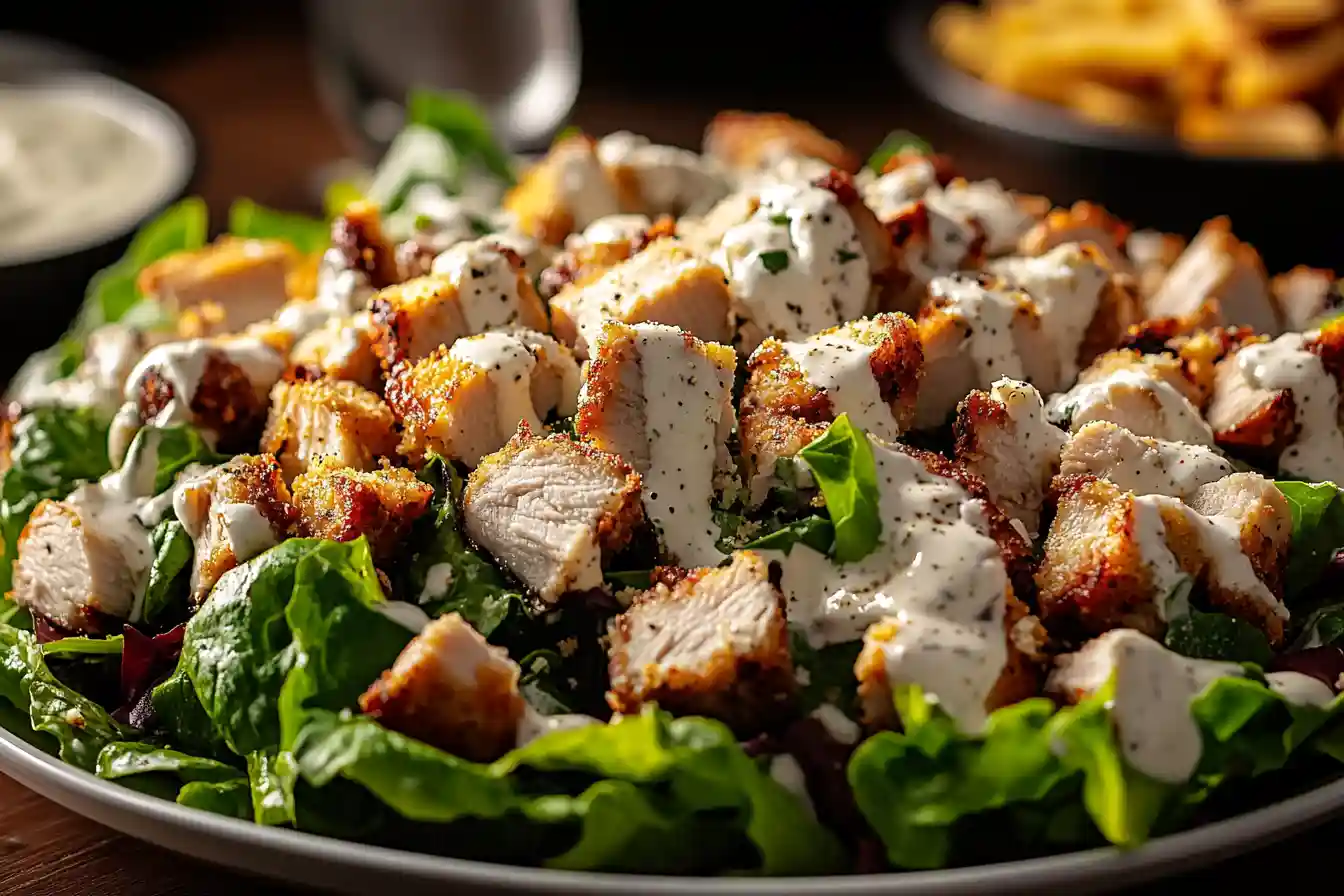
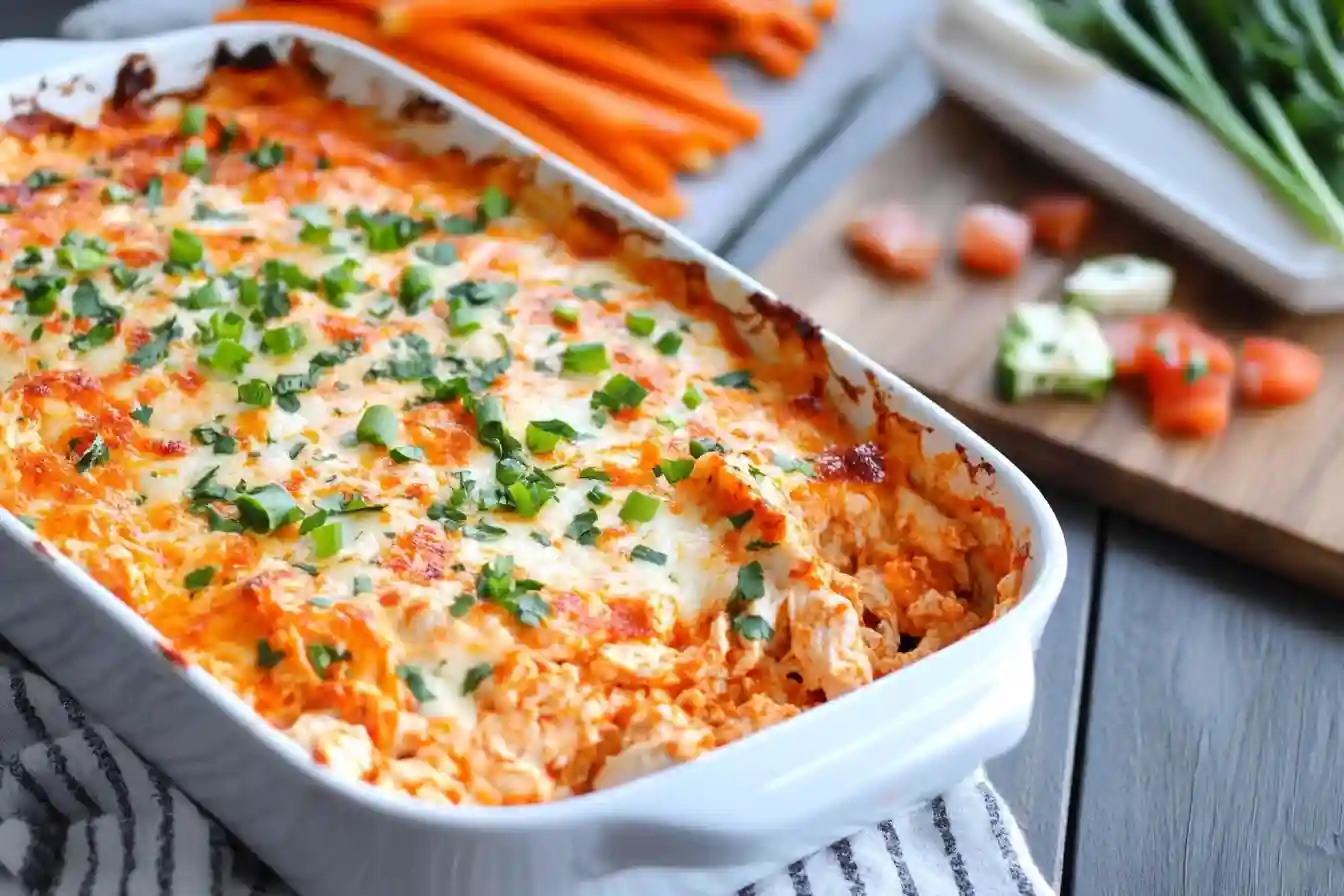
For more chicken dinners, see Million Dollar Chicken Casserole, Chicken Pot Pie Noodle Casserole, and Healthy Chicken Spaghetti.
If your priority is low calorie chicken recipes, compare the full ingredient list and serving size rather than judging by the word “chicken” alone. Oils, cheese, creamy dressings, sweet sauces, rice, tortillas, and toppings can change the final nutrition substantially.
Chicken Breast vs. Chicken Thighs
Chicken breast and chicken thighs both provide protein, but they cook differently. Breast meat becomes dry quickly when it is overcooked, while thighs are generally more forgiving during longer or slower cooking. The cuts also differ in nutrient composition, so if exact calories, protein, or fat matter, compare equivalent portions in USDA FoodData Central rather than relying on a generic “chicken” value.
Do not carry a cooking time from one cut to the other and assume the result will match. Thickness, whether the meat is boneless or bone-in, and the cooking method all affect how long it takes to reach a safe internal temperature.
How to Keep Chicken Breast From Drying Out
The biggest mistake with chicken breast is treating the clock as the final doneness test. Two breasts can finish at different times simply because one is thicker. Use time as a guide, then check the thickest part with a food thermometer.
The USDA safe minimum internal temperature for poultry is 165°F (73.9°C). Check the thickest part without touching bone or the cooking surface. Once the chicken reaches that temperature, move it off the heat instead of continuing to cook it “just to be safe.” See the USDA safe temperature chart.
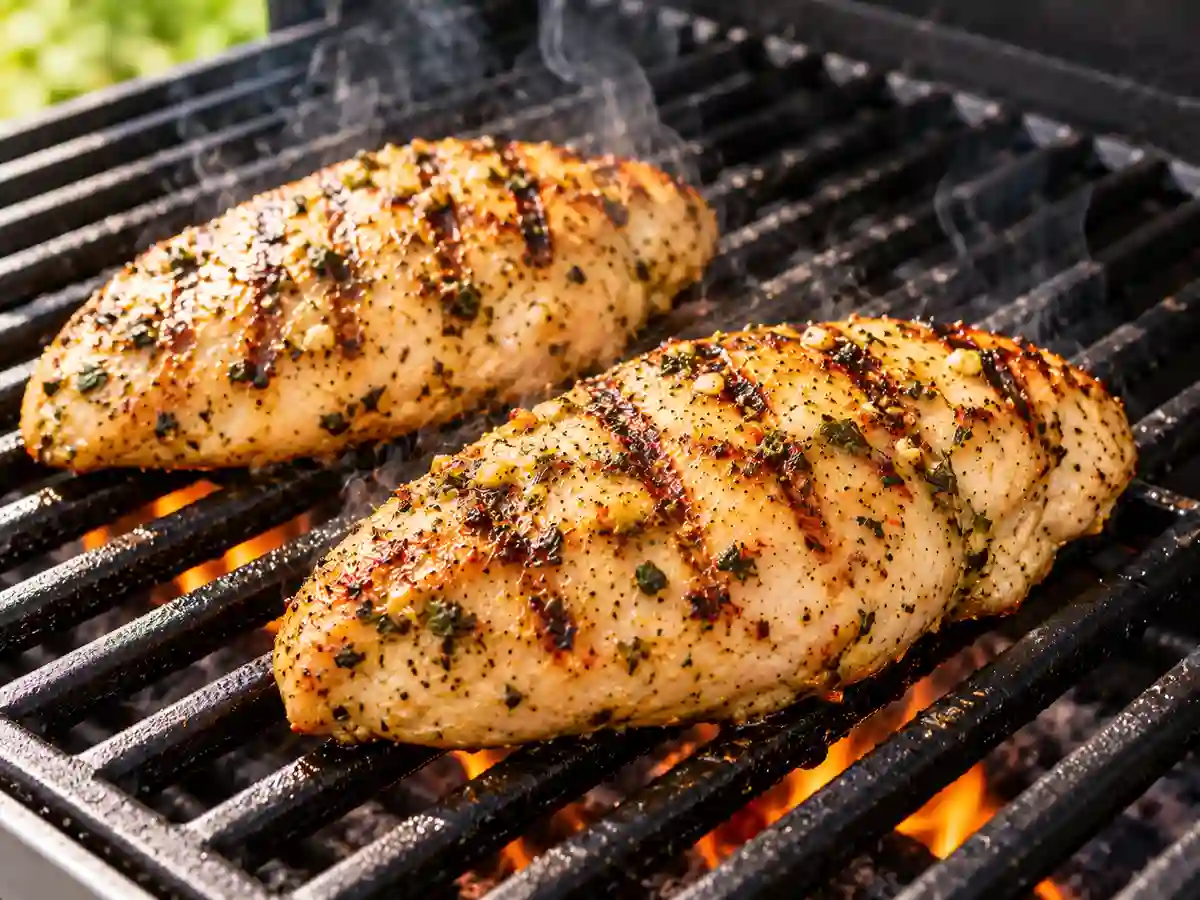
Letting the chicken rest briefly before slicing also makes serving easier because the meat is not being cut the instant it leaves the heat. For meal prep, keep pieces reasonably intact until you are ready to portion them; thin slices lose moisture faster during reheating.
Meal Prep Without Rubbery Reheated Chicken
For high protein chicken meal prep recipes, the cooking method matters twice: once on the day you cook and again when you reheat. Avoid deliberately overcooking chicken on day one because it will be heated a second time. Store cooked chicken promptly in shallow covered containers and keep sauces or crisp toppings separate when that helps preserve texture.
USDA guidance says cooked poultry leftovers can generally be refrigerated for 3 to 4 days. Reheat leftovers to 165°F. If you are packing several days of lunches, label the containers rather than relying on memory. See USDA chicken storage guidance.
What “For Weight Loss” Can and Cannot Mean
A chicken recipe can fit into many eating patterns, but it should not be described as a fat-burning food, metabolism booster, appetite suppressant, or guaranteed weight-loss meal. The National Institute of Diabetes and Digestive and Kidney Diseases describes weight management in terms of the overall eating pattern, calorie intake, physical activity, and habits—not a single ingredient. See the NIDDK weight-management guidance.
For this page, the phrase chicken recipes for weight loss is treated as search intent: readers are looking for chicken meals that can be compared by portion, cooking method, ingredients, and practicality. It is not a promise that eating a particular recipe will produce a specific body-weight result.
Common Chicken Meal Problems
The chicken breast is dry
The most likely causes are excessive cooking time or relying only on exterior color. Check the thickest part with a thermometer and stop cooking when it reaches the safe target. If the chicken is already dry, slice it and serve it with a moist component such as broth, salsa, or a measured sauce rather than cooking it again.
The meal prep chicken gets rubbery
Repeated high heat can make already-cooked chicken firmer and drier. Reheat only the portion you plan to eat and stop once it is hot throughout and reaches the safe reheating temperature.
A “light” chicken meal is higher in calories than expected
Look beyond the chicken. Oil, creamy dressing, cheese, breading, tortillas, rice, sweet sauces, and large portions can contribute more energy than the chicken itself. If precise nutrition matters to you, use a recipe whose full ingredient quantities and serving size have been calculated rather than estimating from the title.
Frequently Asked Questions
Are chicken breast recipes automatically low calorie?
No. Chicken breast can be a lean protein source, but the complete recipe determines the final calorie total. Cooking oil, sauces, cheese, breading, starches, toppings, and serving size all matter.
Do I need chicken breast for a high-protein chicken meal?
No. Both breast and thigh meat provide protein. Their nutrient composition and cooking behavior differ, so choose the cut that fits the recipe and use the recipe’s own nutrition calculation if exact protein matters.
Can I meal prep cooked chicken for several days?
Yes. USDA guidance generally allows cooked poultry leftovers to be refrigerated for 3 to 4 days when handled and chilled properly. Reheat to 165°F.
Does eating chicken cause weight loss?
No single food causes weight loss by itself. Chicken can be part of many eating patterns, but body-weight change depends on the broader pattern of food intake, activity, and individual circumstances.