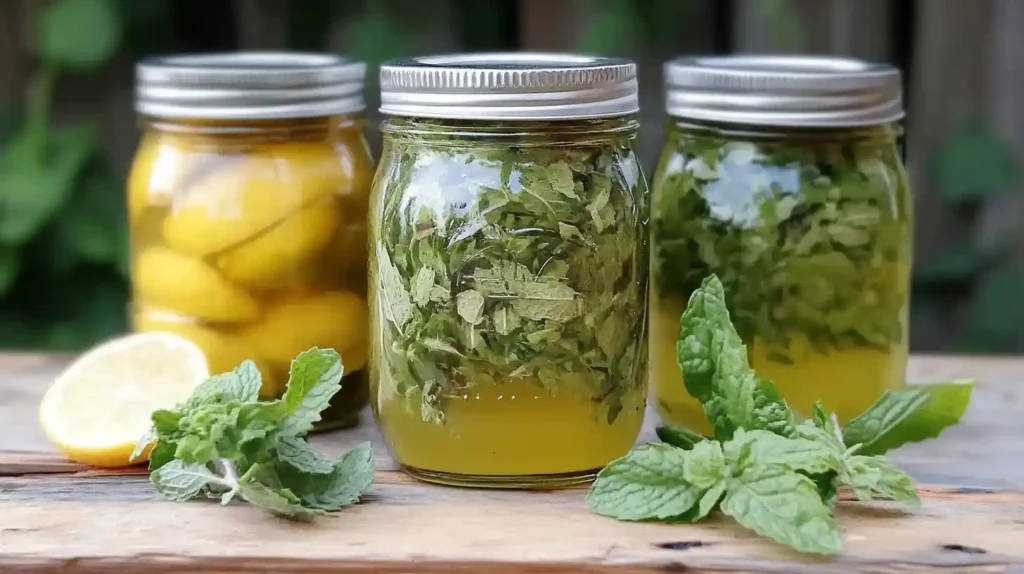
This lemon balm recipe for weight loss is a lemony herbal tea you can make with fresh or dried leaves. Research has not established that the brewed tea causes weight loss. Here you’ll find a practical recipe and a clear explanation of that distinction.
Published June 29, 2025.
At a glance: 5 minutes prep and water heating · 5–7 minutes steeping · allow about 12 minutes total · 1 serving, made with 1 cup of water. Heating time varies by kettle.
General information only; this recipe is not medical advice or a treatment plan. If you are pregnant, breastfeeding, taking medication, or managing a medical condition, ask a qualified clinician or pharmacist about using lemon balm.
Table of Contents
Does Lemon Balm Tea Help With Weight Loss?
The distinction is between a brewed drink and a studied product. A 12-week trial in adults with type 2 diabetes and depressive symptoms tested a lemon balm extract; the difference in weight and BMI changes between groups was not statistically significant. It did not test this tea. See the clinical trial and its limitations.
The European Medicines Agency’s melissa leaf summary describes traditional medicinal uses and distinguishes them from proven clinical effectiveness. It does not list weight loss as a use. That traditional-use information does not establish a fat-burning effect for this cup. Honey and lemon add flavor; they do not turn it into a weight-loss treatment.
Choose the Right Leaves
Lemon balm is Melissa officinalis, a mint-family herb, as identified by Kew’s plant reference. Buy food-grade leaves clearly labeled with that name. Do not brew an unidentified garden plant. Lemon balm and lemongrass are different ingredients; for the latter, use our fresh lemongrass tea recipe and its own method.
Choose clean fresh leaves or food-grade dried leaves. Discard anything moldy or spoiled. Fresh leaves need rinsing; dried leaves need measuring. Extracts, essential oils, tinctures, and supplement powders are outside this recipe and should not replace the leaves.
Fresh, Dried, and Optional Flavor Swaps
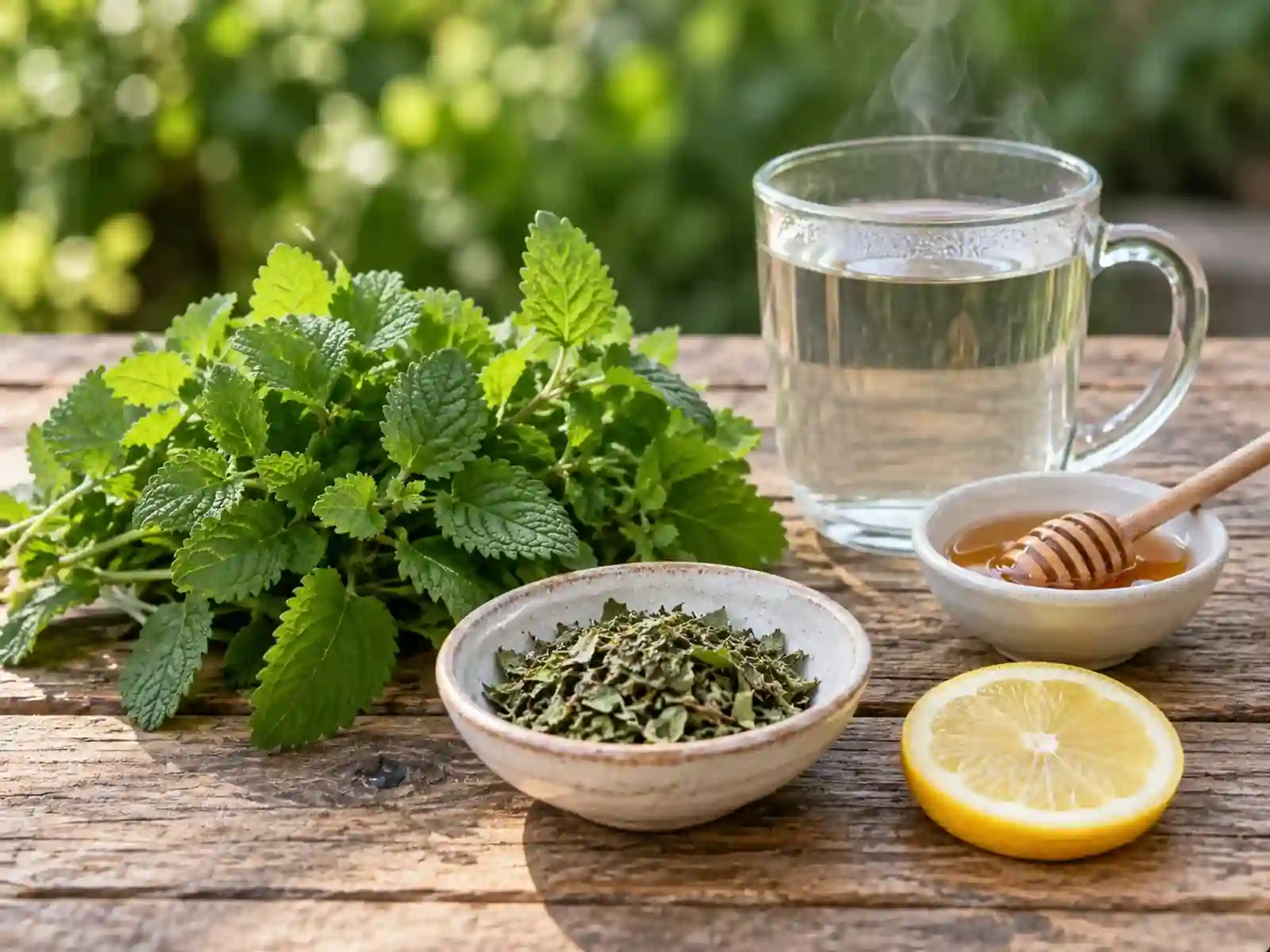
This recipe keeps its established fresh-to-dried volume ratio of 2:1. It falls within the general herb amounts in Oregon State University’s Food Hero herbal tea guide. It is a starting point for flavor, not a medicinal dose or a universal conversion for every herb. The full ingredient amounts appear once, in the printable recipe card.
| Original | Swap or adjustment | Flavor and timing |
|---|---|---|
| Fresh lemon balm | Dried lemon balm: half the fresh-leaf volume | A convenient pantry option; keep the same 5–7-minute steep and taste before extending it. |
| Dried lemon balm | Fresh lemon balm: twice the dried-leaf volume | Rinse first; use the same steeping range. Leaf freshness affects flavor. |
| Optional honey | Omit it | A less sweet cup; no change to steeping time. |
| Optional lemon slice | Omit it | The tea keeps its herbal character without added citrus; no change to steeping time. |
Keep the recipe simple if you want to taste the lemon balm itself. For a separate drink with a sharper ginger flavor, try lemon ginger turmeric tea, rather than treating those ingredients as required additions here.
Why This Infusion Works
Steeping means leaving the leaves in hot water, then removing them; there is no need to simmer this tea. In a laboratory study of lemon balm brewing conditions, researchers prepared a hot infusion with boiled water for five minutes and measured differences in its composition. That supports hot infusion as a real preparation method, but it does not prove a weight-loss benefit or establish a perfect taste for every batch.
A saucer or lid limits heat and steam escaping during the steep. Check the aroma and taste at the shorter end of the range, then remove the leaves when the flavor suits you. The card allows the full seven-minute steep in its timing. A heat-safe mug with room above the water makes pouring and removing an infuser easier.
Flavor Cues and Troubleshooting
Pale tea: color varies with the leaves and brewing strength. Look for a lemon-herbal aroma and taste the tea carefully; chasing a darker color can make a cup stronger than you want.
Weak flavor: give the leaves the stated steeping time, then check whether they still smell aromatic. For the next cup, try fresher leaves before increasing the amount. Avoid adding several herbs at once, which makes it harder to identify what changed.
Too strong or harsh: remove the leaves and dilute the brewed tea with a little hot water. Next time, check the dried-leaf conversion and taste at five minutes. Extra honey changes sweetness, rather than fixing an overly strong infusion.
Leaves in the drink: use a fine-mesh strainer if you brewed them loose. An infuser makes removal easier, but small pieces may still need straining.
Lemon Balm Tea Recipe
The printable card contains the ingredient amounts and complete method for one serving. Use the fresh or dried option, then choose whether to add honey and lemon.
Lemon Balm Tea Recipe

Equipment
- 1 Heat-safe mug or pitcher Choose a vessel larger than the total amount of water, with room above it; use a saucer or lid to cover it.
- 1 Tea infuser or fine-mesh strainer Use an infuser for easy leaf removal, or strain loose leaves.
- 1 Kettle or small saucepan For bringing the water to a boil.
Ingredients
- 2 tablespoons fresh lemon balm leaves or half this volume of dried lemon balm leaves
- 1 cup boiling water
- 1 teaspoon honey optional
- 1 slice lemon optional
Instructions
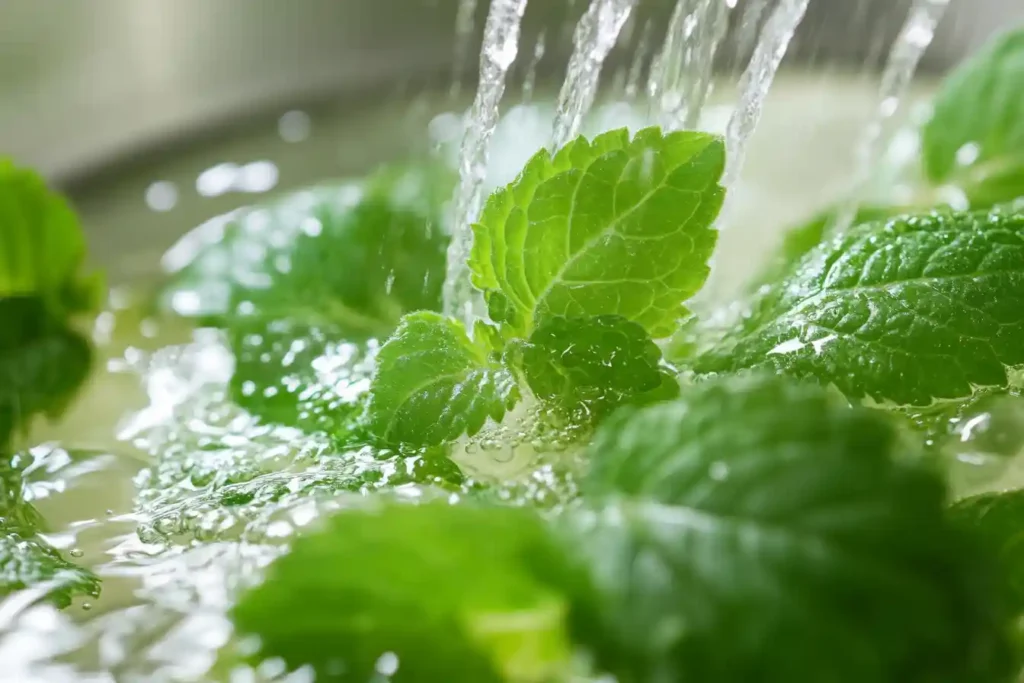
- Rinse fresh lemon balm leaves under running water. If using dried leaves, measure them instead. While preparing the leaves, bring the water to a boil, then turn off the heat.2 tablespoons fresh lemon balm leaves, 1 cup boiling water
- Put the leaves in a tea infuser inside a heat-safe mug, or place them loose in the mug. Choose a vessel larger than the total amount of water so there is room above it. For scaled batches, use a suitably sized heat-safe pitcher or brew separate cups.2 tablespoons fresh lemon balm leaves
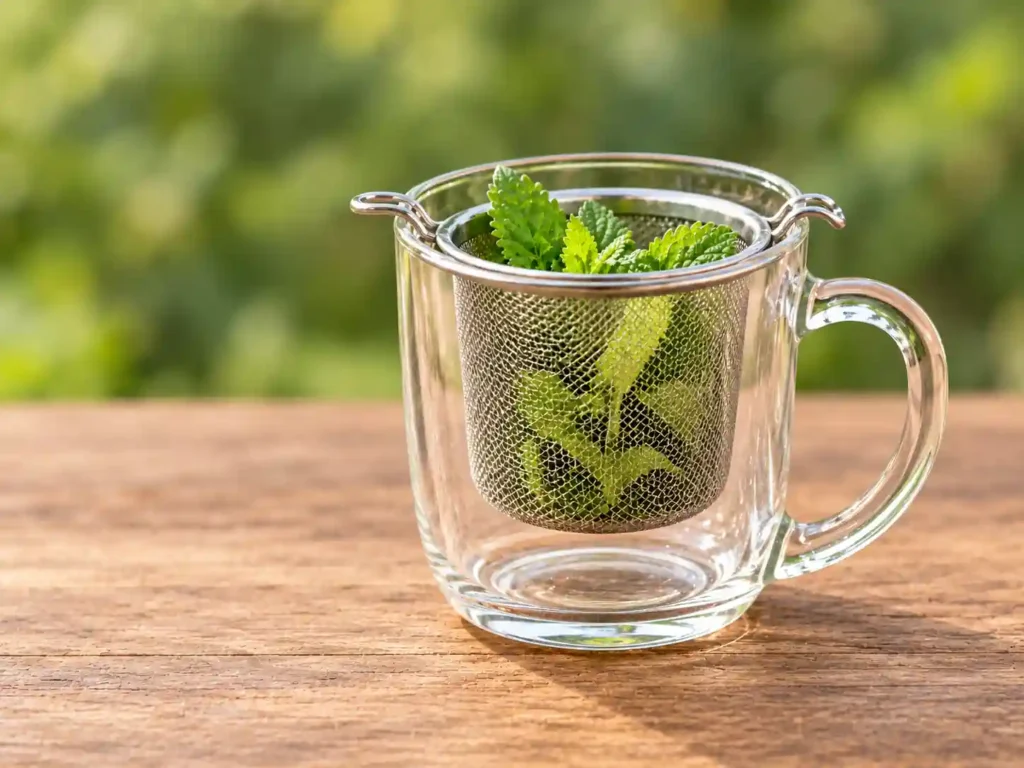
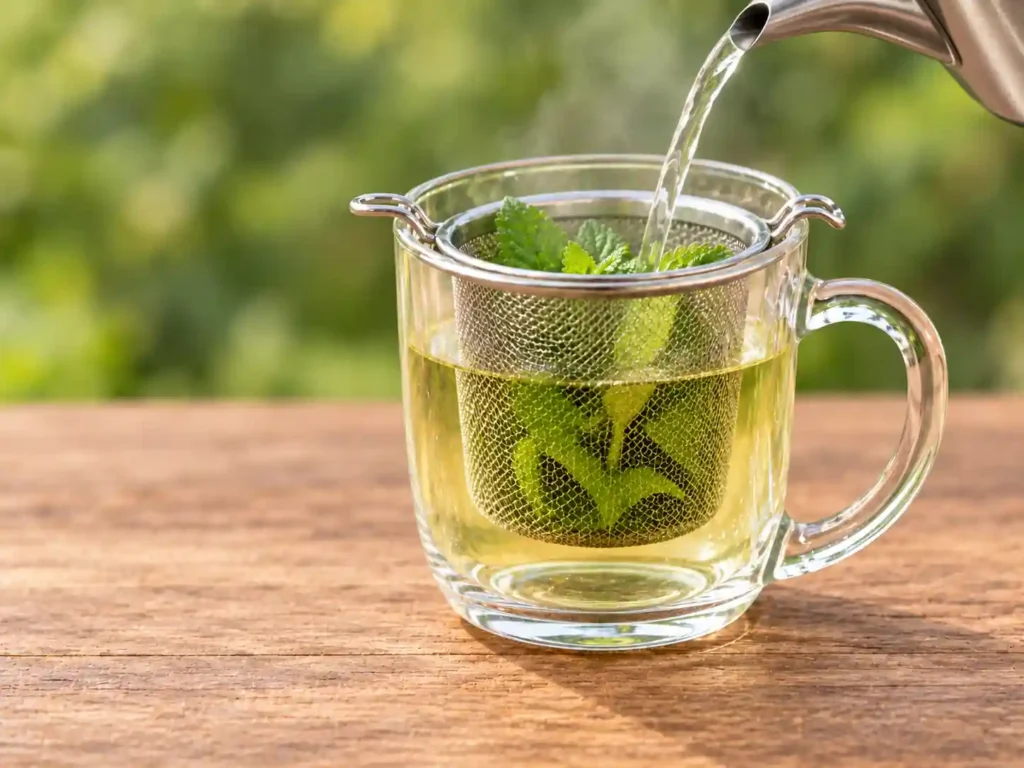
- Pour the boiling water over the leaves and cover the mug with a saucer or lid. Steep for 5 minutes, then taste carefully. If you prefer a stronger cup, continue up to 7 minutes total. Look for a lemon-herbal aroma and a flavor you enjoy; color alone does not indicate strength. Do not simmer the leaves.2 tablespoons fresh lemon balm leaves, 1 cup boiling water
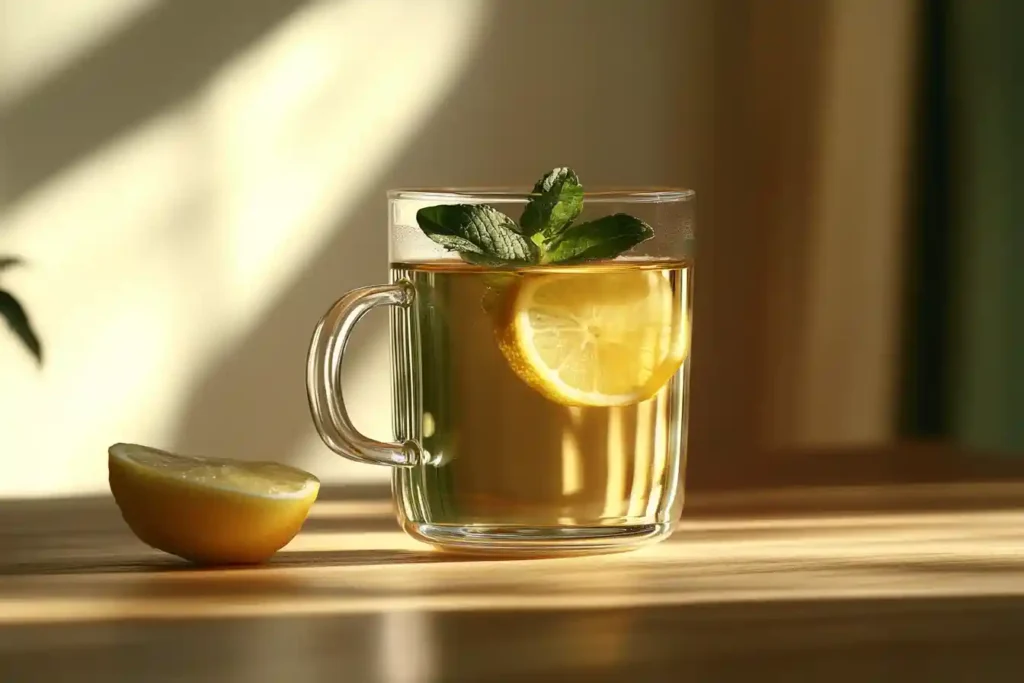
- Remove the infuser or strain out the loose leaves. Stir in the optional honey and add the optional lemon slice to taste. Allow the tea to cool to a comfortable drinking temperature and serve warm.1 teaspoon honey, 1 slice lemon
Notes
Iced Tea and Leftovers
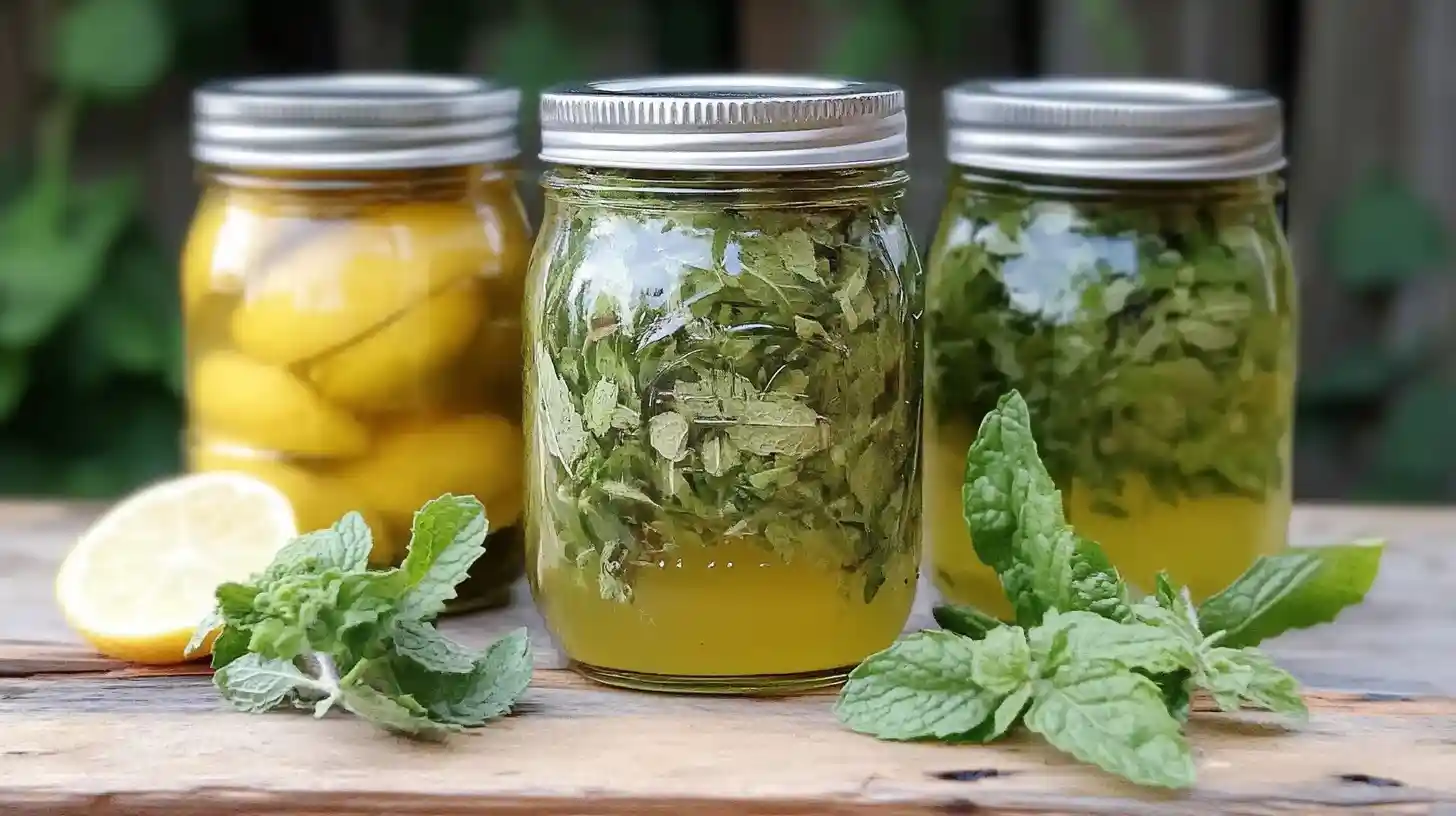
For a cold drink, strain the tea before chilling it and add ice when serving. Ice dilutes the flavor, so taste before adding more. Refrigerate leftovers in a clean covered container within two hours, following the Food Hero storage guidance. This recipe is intended for a small batch; no tested shelf life or freezer duration is claimed.
Prefer a cold infusion with a different flavor? See our pear and fennel infused water for that preparation.
Frequently Asked Questions
How much lemon balm tea should you drink for weight loss?
There is no established dose of lemon balm tea for weight loss. This recipe makes one culinary serving and is not a medical dosing schedule.
Is lemon balm tea a natural alternative to Ozempic?
No. The evidence reviewed here does not support treating this tea as an alternative to a prescribed weight-management medicine; do not change medication based on a tea recipe.
Can I use lemon balm tea bags instead of loose leaves?
You can use food-grade lemon balm tea bags, but follow the product’s directions because the amount per bag varies. Check the label for other herbs or ingredients rather than assuming every blend matches this recipe.
Do I need lemon or honey to make lemon balm tea?
No; both are optional flavor additions. Lemon balm leaves provide the herbal character, and leaving out the honey makes the drink less sweet.
t’s a great alternative to sugary drinks while promoting relaxation and wellness.