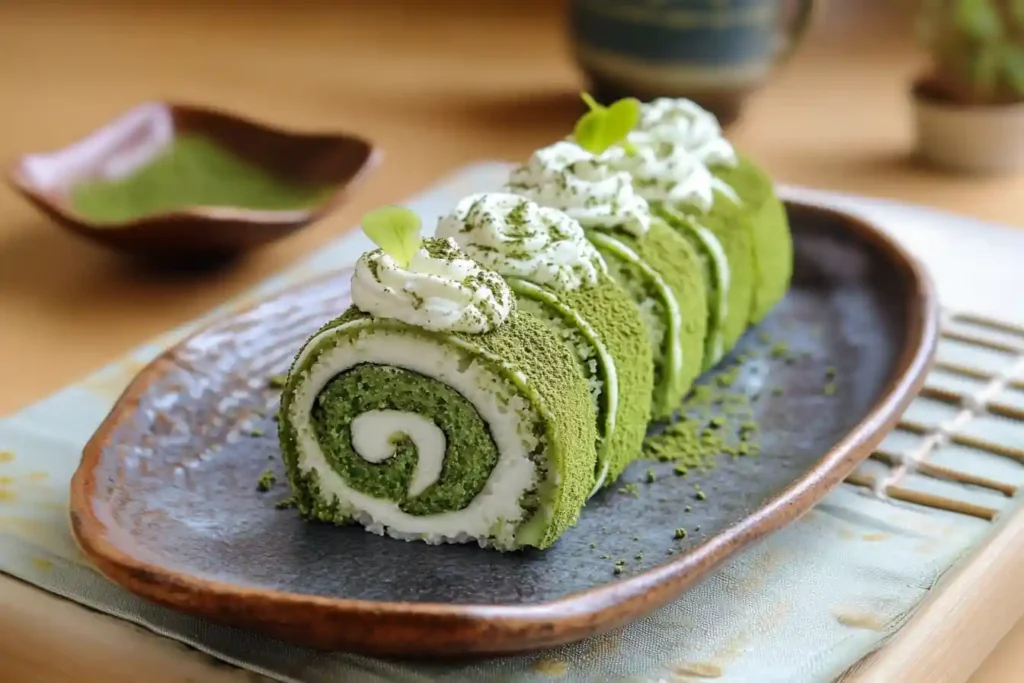
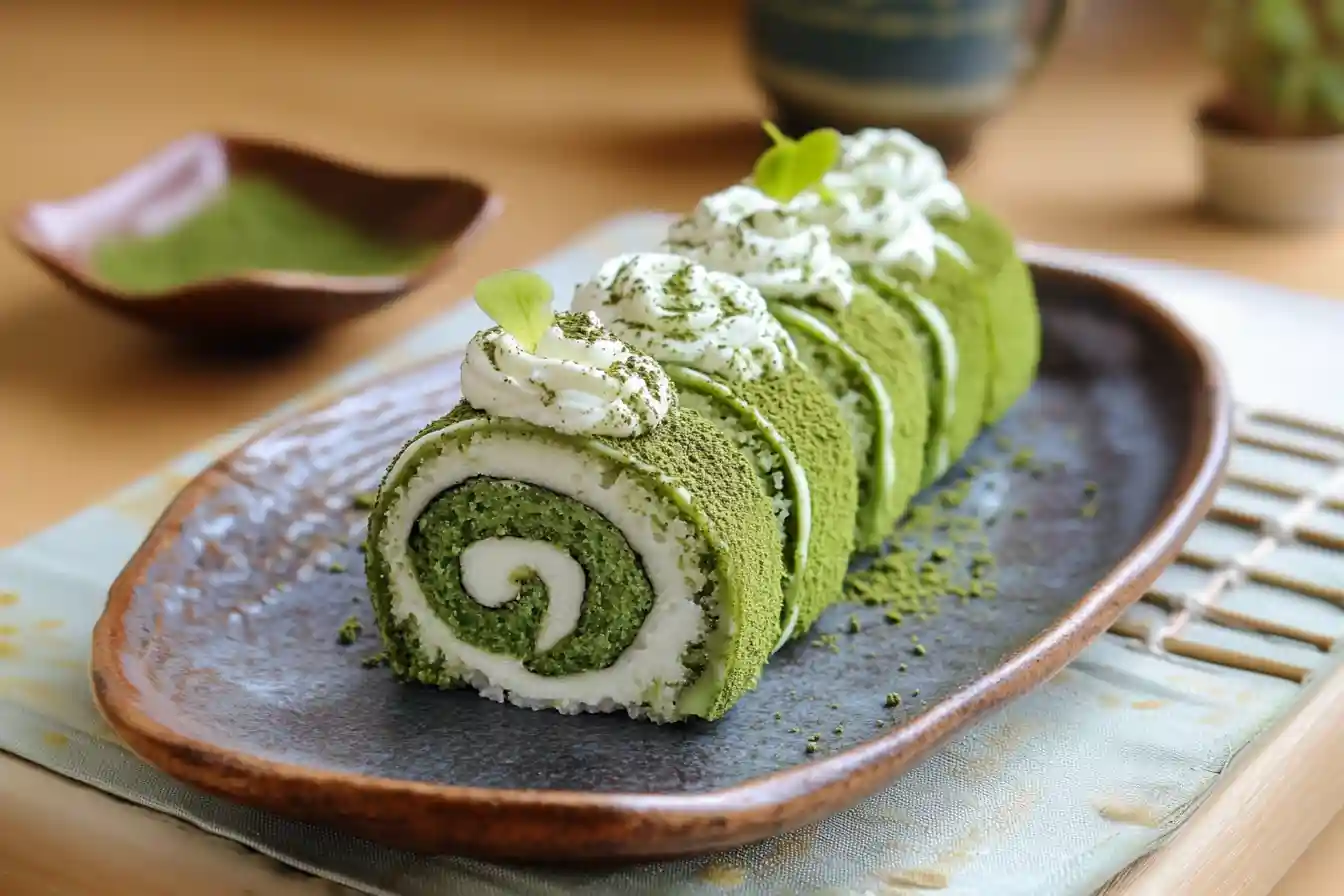
This authentic matcha roll cake features a cloud-soft Japanese green tea sponge wrapped around an airy, lightly sweetened whipped cream center. Unlike heavy American layer cakes, this classic Japanese Swiss roll relies entirely on whipped egg aeration rather than chemical leaveners, creating an extraordinarily tender, flexible crumb that rolls effortlessly without cracking. At just 186 calories per slice, it delivers a delicate balance of earthy green tea notes and luscious cream for an elegant afternoon dessert in under 45 minutes.
Table of Contents
The Science of a Flexible Matcha Sponge (The Ribbon Stage)
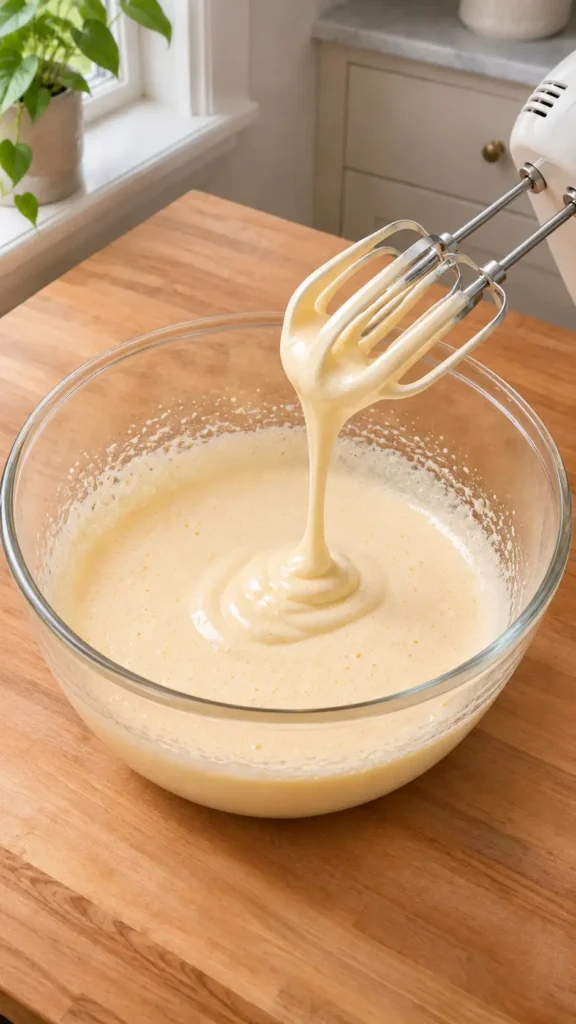
The secret to a roll cake that never breaks lies in mechanical aeration. Because this recipe contains zero baking powder or baking soda, the sponge’s entire volume and structural elasticity come from beating whole eggs and sugar together until they reach the ribbon stage (le ruban).
Using room-temperature eggs is mandatory; warm proteins whip to a greater, more stable volume than cold eggs straight from the refrigerator. Beat the mixture on medium-high speed for 5 to 7 full minutes until pale ivory, tripled in volume, and thick enough that when the beaters are lifted, the batter ribbons slowly across the surface, holding its shape for 3 to 4 seconds before sinking. For another masterclass in precise baking textures and ingredient ratios, explore our Small Batch Chocolate Chip Cookies.
Always sift low-protein cake flour together with the matcha powder twice. Matcha tends to absorb moisture quickly and clump; sifting aerates the blend, ensuring it incorporates into the fragile egg foam in just a few gentle spatula strokes without overworking the gluten. If you love earthy green tea desserts with delicate creamy layers, try pairing this bake with our popular Matcha Tiramisu.
The Exact Baking Window and Warm Memory Rolling
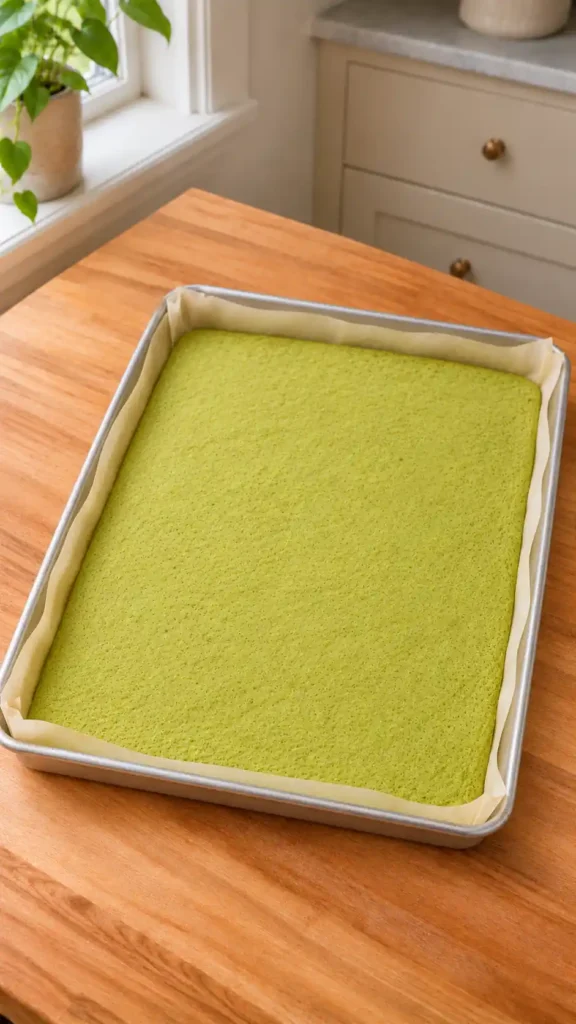
Overbaking is the single greatest cause of cracked Swiss rolls. In a standard 10×15-inch jelly roll pan, a thin sponge requires exactly 10 to 12 minutes at 350°F (175°C). The center should feel springy and gently bounce back when pressed lightly with a fingertip. If the edges begin browning excessively, the moisture has evaporated, making the cake brittle.
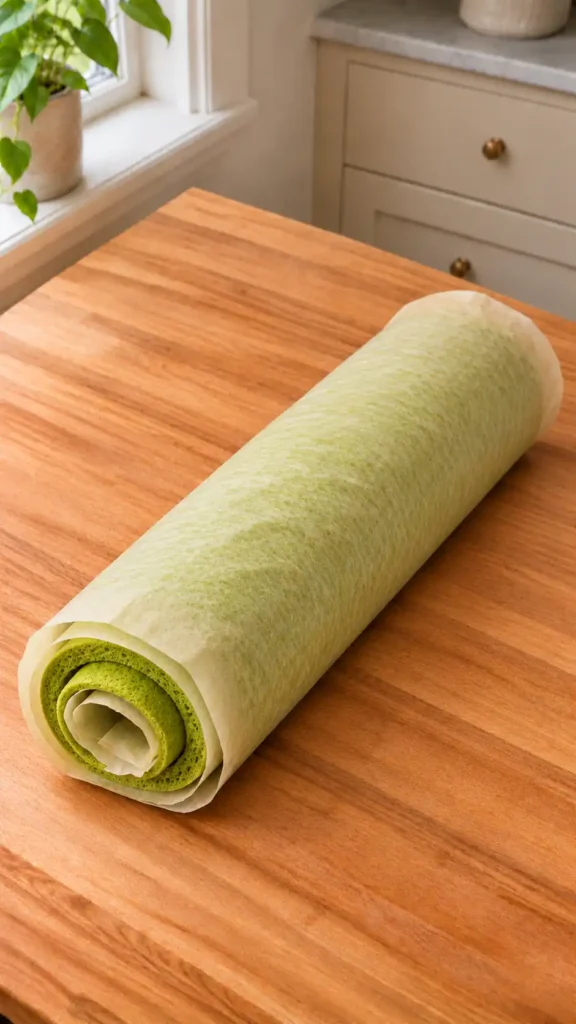
The Warm Rolling Technique: The moment the pan leaves the oven, let it rest for exactly 90 seconds. While the sponge is still hot and pliable, use the parchment paper overhang to gently roll the cake up from a short end, keeping the parchment inside the roll. Allow the rolled cake to cool completely on a wire rack for 30 to 45 minutes. This thermal step sets the gluten network into a natural “memory spiral” while the cake cools, preventing any cracks when it is unrolled and filled.
Stabilizing the Cream and Assembling the Spiral
Heavy cream should be whipped straight from the refrigerator in a cold bowl. We sweeten the cream with confectioners’ sugar rather than granulated sugar; confectioners’ sugar contains a trace amount of cornstarch that naturally stabilizes the whipped dairy, keeping the spiral firm and sliceable for up to 3 days without weeping.
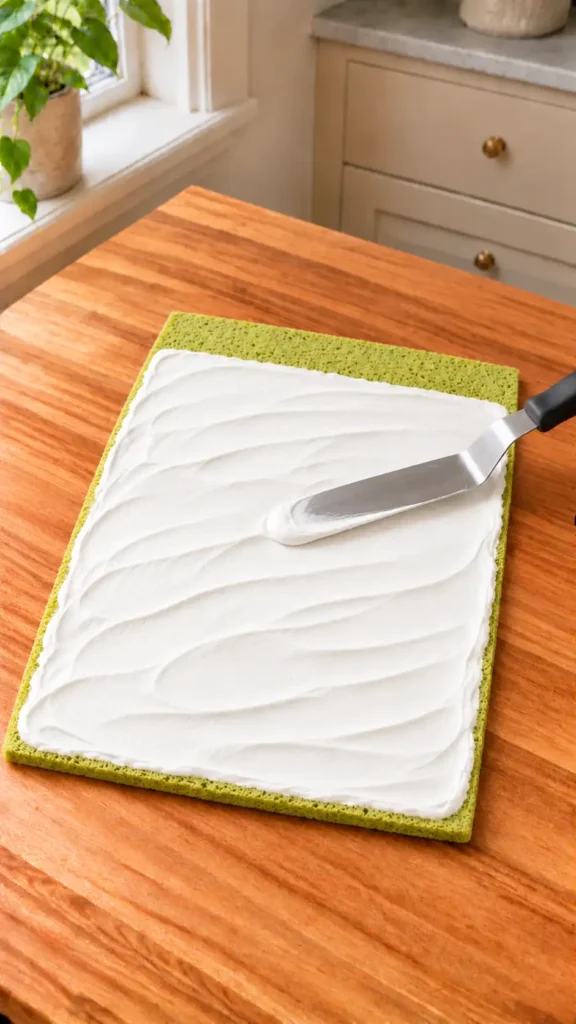
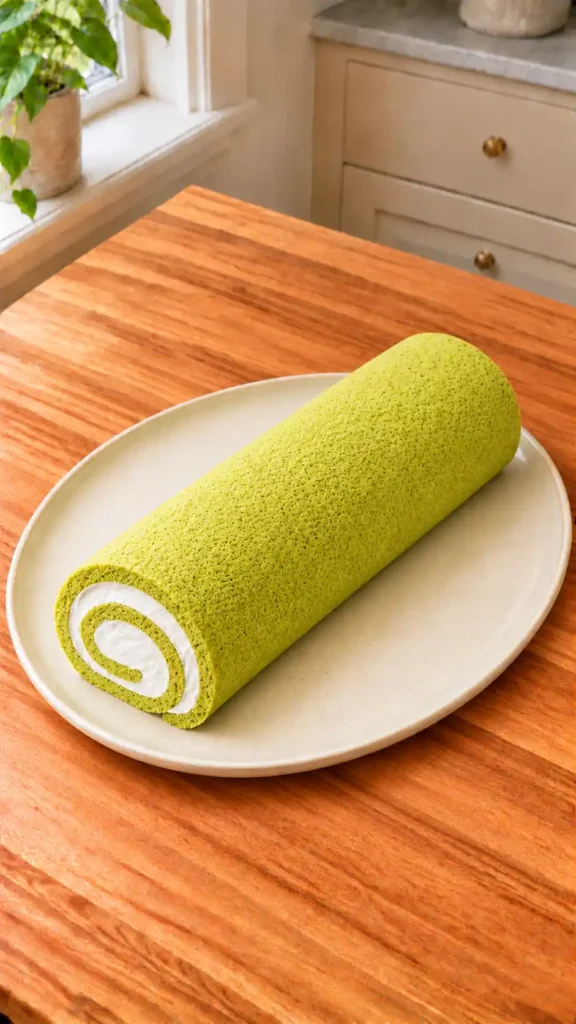
Per official FoodSafety.gov dairy refrigeration guidelines, fresh whipped cream desserts must be chilled and stored at 40°F (4°C) or below. When spreading the cream over the unrolled sponge, always leave a 1-inch (2.5 cm) bare border at the far short edge. As you roll the cake back up, the filling naturally moves forward, creating a tight, picture-perfect spiral without squeezing out the sides.
If you love pairing authentic Japanese green tea desserts with sweet breakfast favorites, consider serving slices alongside our golden Sourdough French Toast for a brunch spread, or balance sweet dessert days with our lean Healthy Chicken Tortilla Soup for dinner.
Matcha Roll Cake Recipe Card

Matcha Roll Cake
Equipment
- Baking sheet 10-by-15-inch rimmed jelly roll pan
- Parchment paper
- Mixing bowls
- Electric hand mixer or stand mixer
- Fine mesh strainer
- Spatula for folding
- Offset spatula or silicone spatula for spreading
- Piping bag or large zip-top bag optional; or use a spoon
Ingredients
Matcha Sponge Cake
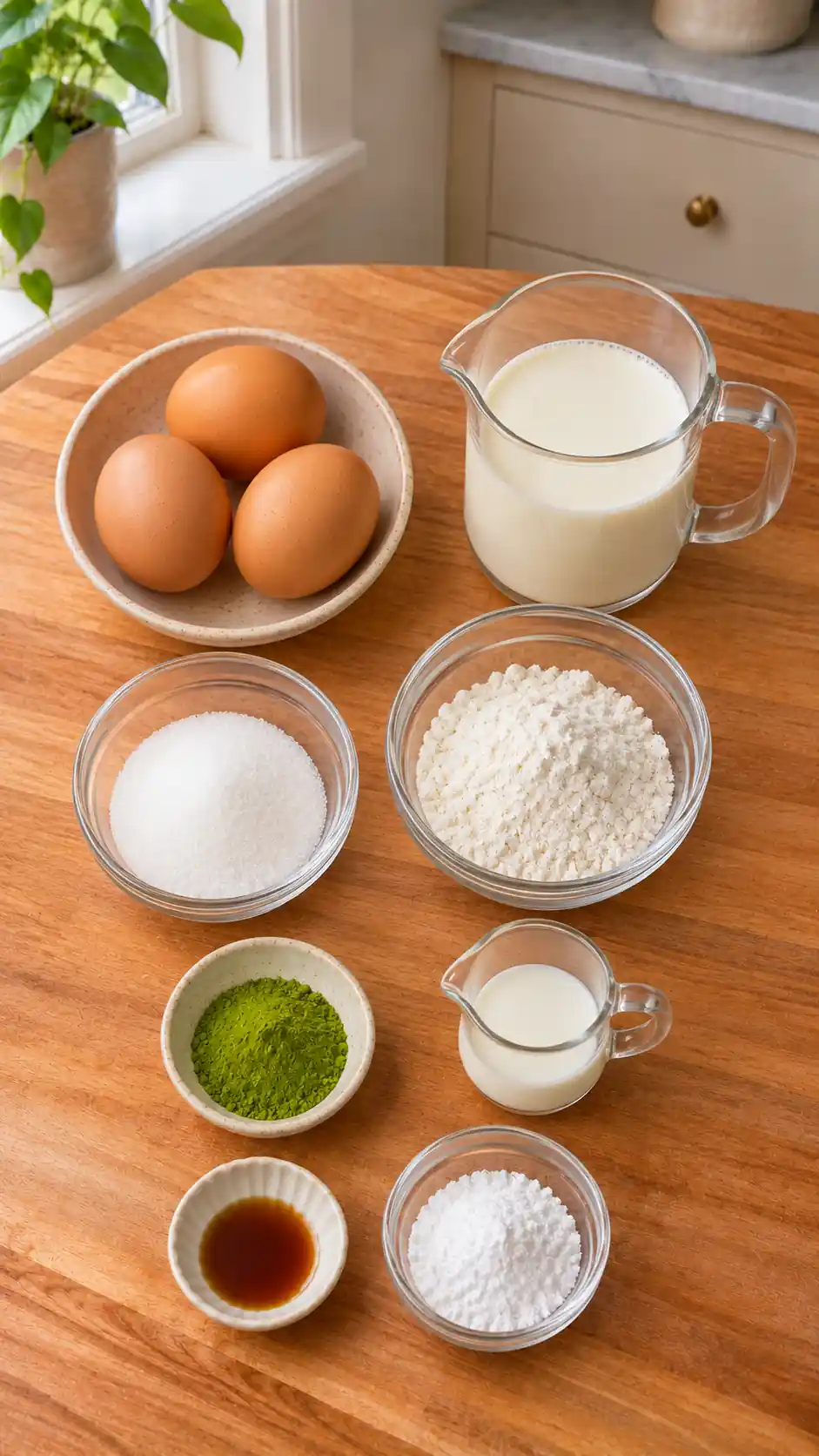
- 3 large eggs room temperature
- 70 g granulated sugar
- 60 g cake flour sifted
- 1 tbsp matcha powder sifted
- 1 tsp vanilla extract
- 2 tbsp whole milk room temperature
Whipped Cream Filling
- 200 ml heavy cream cold
- 2 tbsp powdered sugar
- 1/2 cup sweet red bean paste optional, for variation
Instructions
Prepare the pan
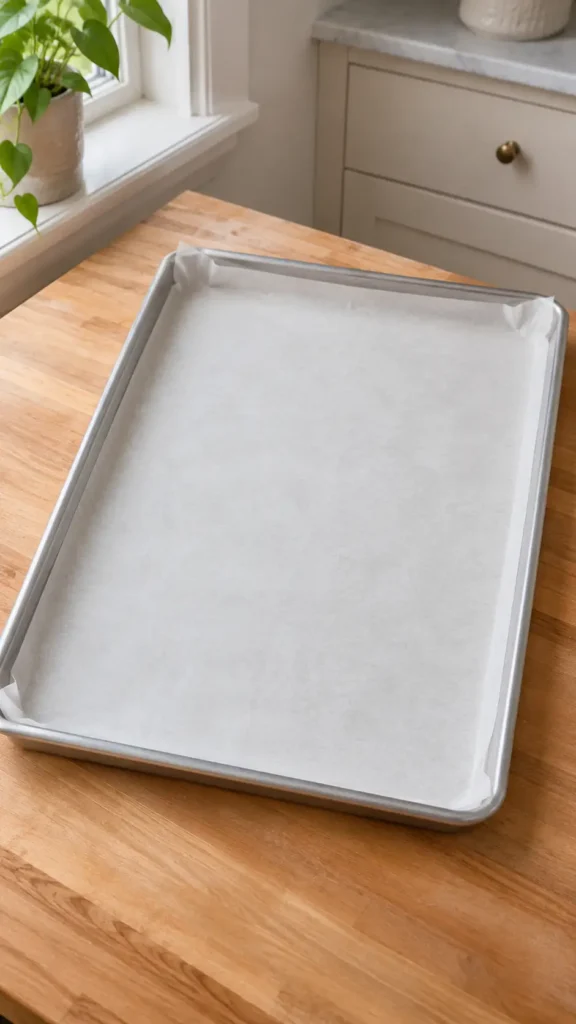
- Preheat the oven to 350°F (175°C). Line a 10-by-15-inch rimmed jelly roll pan with parchment paper, leaving a little overhang.
Make the sponge
- In a large bowl, beat the eggs and granulated sugar with an electric mixer until pale, thick, and tripled in volume, about 5 minutes. The batter should fall in a ribbon when the beaters are lifted.
- Sift the cake flour and the matcha for the sponge together. Gently fold into the egg mixture in batches, just until no dry streaks remain.
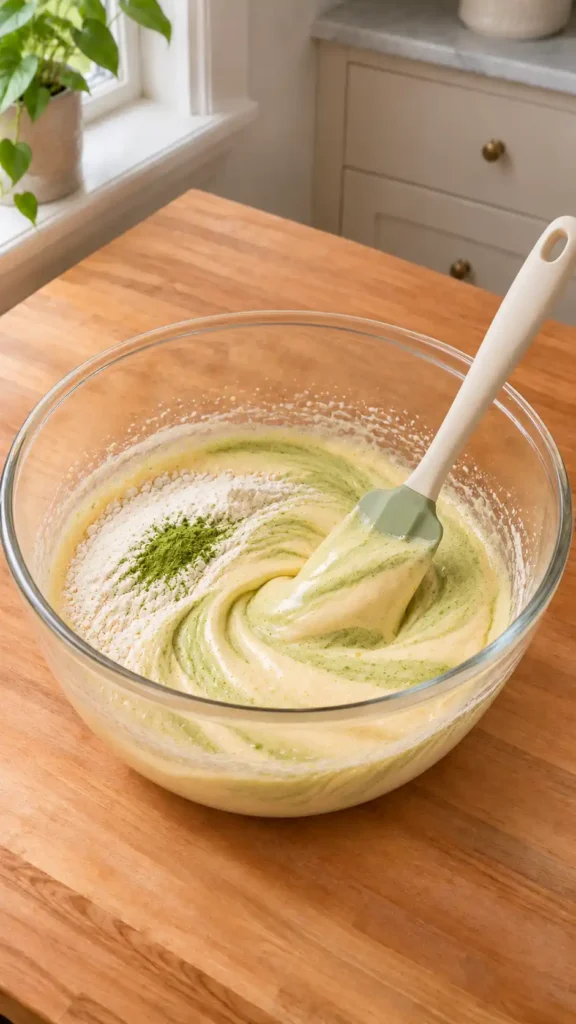
- Fold in the vanilla and milk gently, scraping the bottom of the bowl without deflating the batter.
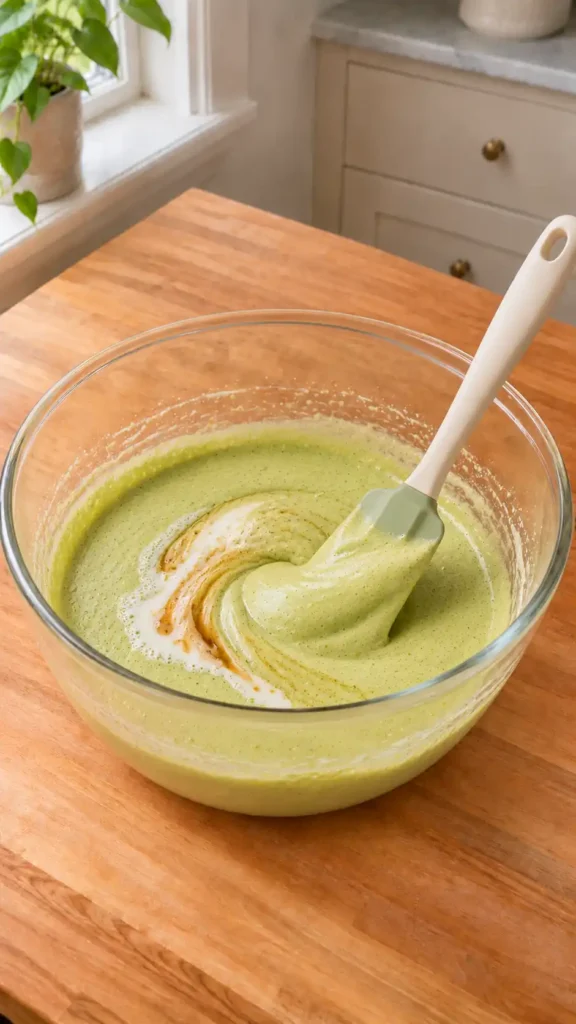
Bake and cool
- Spread the batter evenly into the prepared pan, reaching the corners. Bake for 10–12 minutes, until the surface springs back lightly and the center is set. Avoid overbaking.
- Let the cake stand for 1–2 minutes. While still warm, lift it out with the parchment and gently roll it up from a short end with the parchment inside. Let cool completely in the roll, about 30 minutes or longer as needed.
Fill and chill
- In a chilled bowl, whip the cold heavy cream and powdered sugar to firm, spreadable peaks. Reserve about one sixth of the whipped cream for decoration (roughly 1/4 cup for the 1x recipe) and keep it refrigerated.
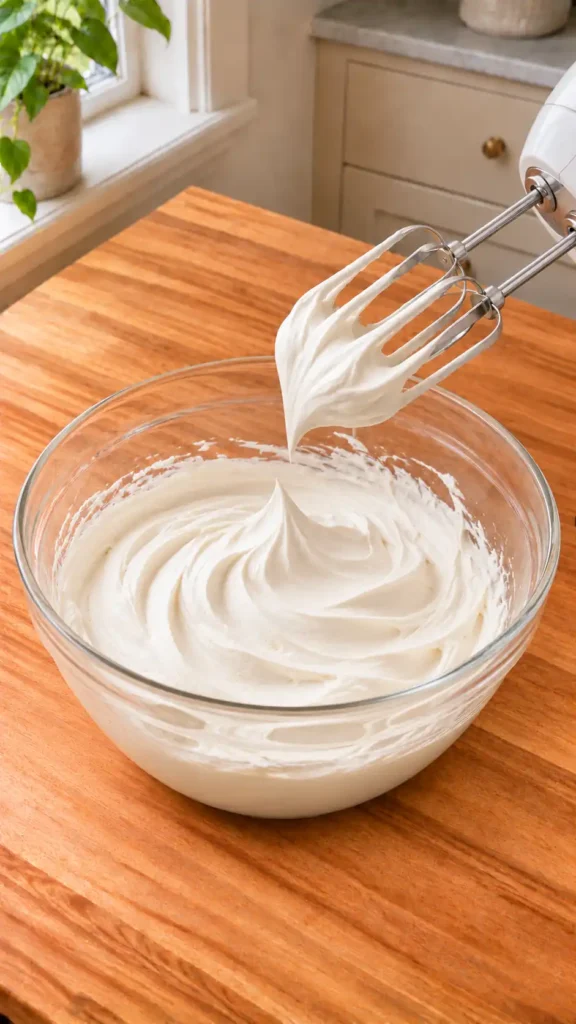
- Gently unroll the completely cooled cake and peel away the parchment. If using the optional red bean paste, spread a thin layer over the sponge first. Spread the remaining whipped cream evenly over the cake, leaving about a 1-inch border at the far short edge.
- Roll the cake up again from the same short end without the parchment. Place seam-side down, cover, and refrigerate for at least 30 minutes. Keep the reserved whipped cream refrigerated.
Serve
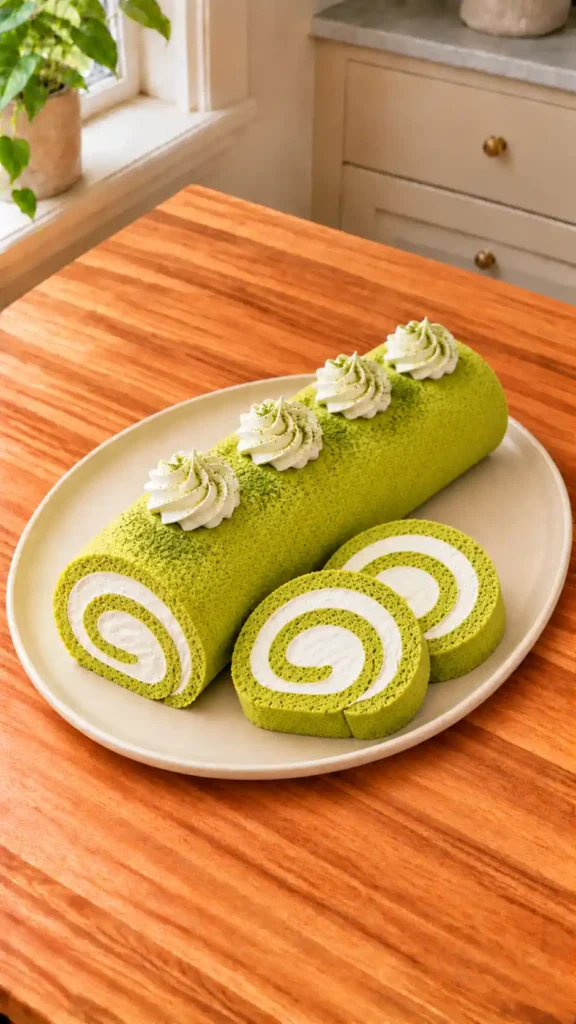
- Pipe or spoon the reserved whipped cream onto the chilled roll. If desired, dust lightly with matcha or powdered sugar. Slice with a sharp knife and refrigerate leftovers promptly.
Notes
Nutrition
Frequently Asked Questions
Why did my matcha roll cake crack when rolling?
Sponge cakes crack for two reasons: either the cake was baked 1 to 2 minutes too long (drying out surface moisture), or it was allowed to cool flat before rolling. Always roll the cake within two minutes of leaving the oven while the steam keeps the crumb flexible.
What type of matcha powder should I use?
A high-grade culinary matcha or barista-grade Japanese matcha works best for baking. It delivers an intense, vibrant emerald color and a clean, grassy sweetness without the dull brownish tint of lower-grade powders.
Can I make this matcha Swiss roll ahead of time?
Yes. In fact, chilling the rolled cake in the refrigerator for at least 2 to 4 hours (or overnight) allows the moisture from the whipped cream to gently soften the inner crumb, making it significantly easier to slice into clean, bakery-style spirals. Verified reference nutrition can be cross-checked on USDA FoodData Central.
Originally published on January 15, 2025. Thoroughly updated, re-tested, and expanded on November 6, 2026 by Amanda S with step-by-step rolling science, dual-unit measurements, and verified USDA nutrition facts.